
Swish. The ball goes through the net with a satisfying sound. All alone on a basketball court, your body is in perfect rhythm and you knew it was going in from the moment the ball left your hand. You then set out on a quest to repeat this over and over.
Have you ever tried to learn a skill on your own and then when it’s time to perform in front of other people, you can’t seem to execute the way you want? After that you start to notice no matter how many books, YouTube tutorials, or lessons you seem to take, your abilities seem to plateau despite the effort. Maybe it’s time to rethink the way we learn and train.
While theory will never lose its place in learning, it is always important to couple this with practicing what you learned. But not all hands-on practice are created equal. For learning to be truly effective, there should be what is described as specificity in training.
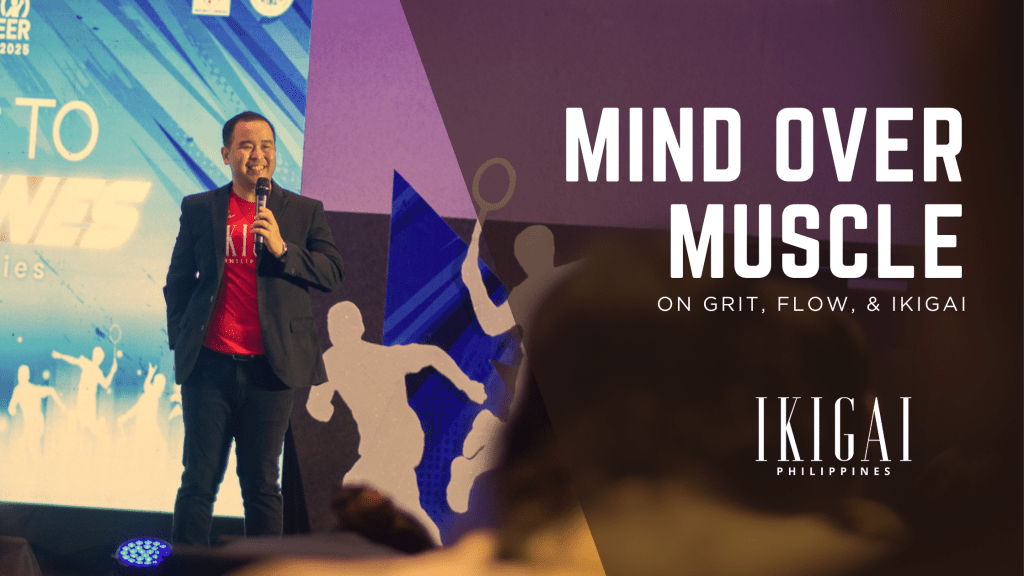
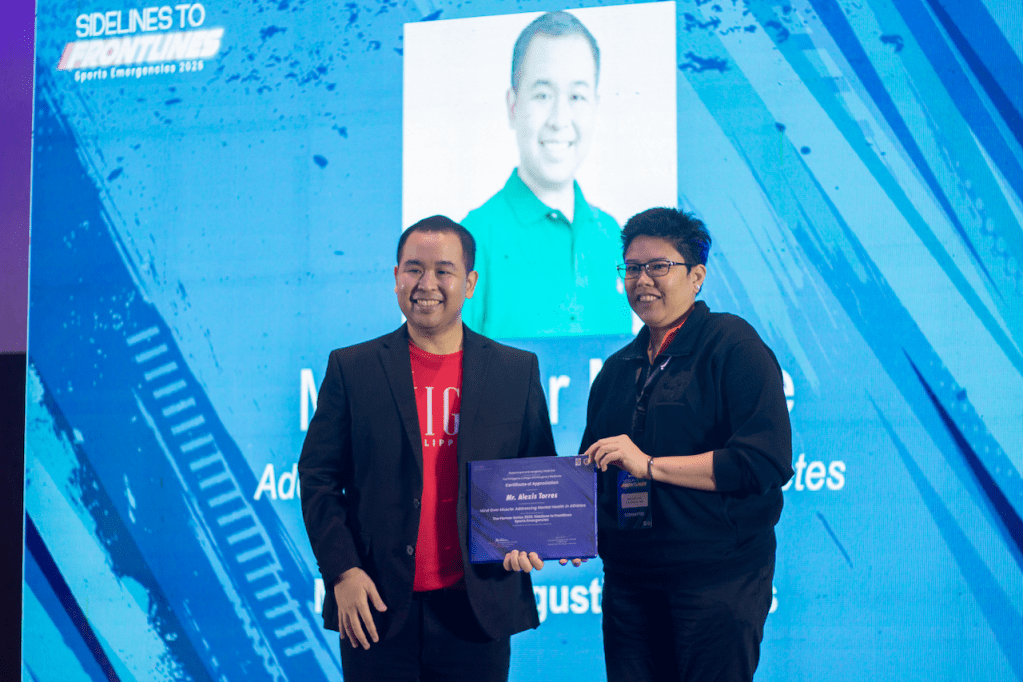
Speaking at the 28th Annual Emergency Medicine Symposium organized by the Makati Medical Center, Ikigai Philippines Head Coach Alexis Torres emphasized the importance of specificity in sports training, where exercises and drills done during practices were akin to how those actions would be performed during competition. Each drill was meant to hit multiple goals, to maximize time and to make learning more practical and less tedious.
Flow state, also called being “in the zone,” meant being completely immersed in the present—when time seems to slow down.
To better facilitate learning, he said a coach should create opportunities for learning that included context, direct application, and just the right challenge for growth. He likened this type of learning to the difference between zoo tigers and jungle tigers, and how their exposure and environment affected their chances for survival in the wild. Animals that were kept fed and made relatively comfortable in captivity would have more difficulty surviving in the wild, vis-a-vis jungle animals that were used to fending for themselves and surviving on their own.
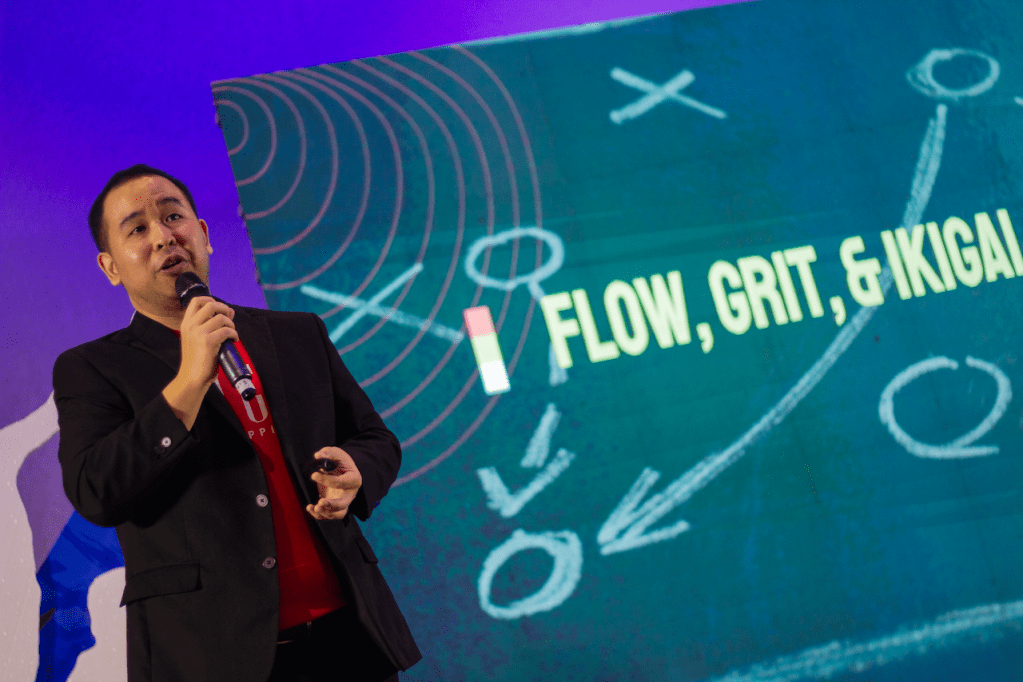
He also spoke about the importance of flow, grit, and ikigai in sticking to a sport or craft and eventually excelling in it.
Flow state, also called being “in the zone,” meant being completely immersed in the present—when time seems to slow down. During flow state, one is focused yet relaxed, challenged yet not overwhelmed.
Grit, meanwhile, “combined passion and perseverance for a singularly important goal. Grit is the hallmark of high achievers in every domain,” Coach Alexis said.
Ikigai tied all of these together, as it provided one’s reason for practicing a sport or craft, and what made it worthwhile to keep on pursuing it.
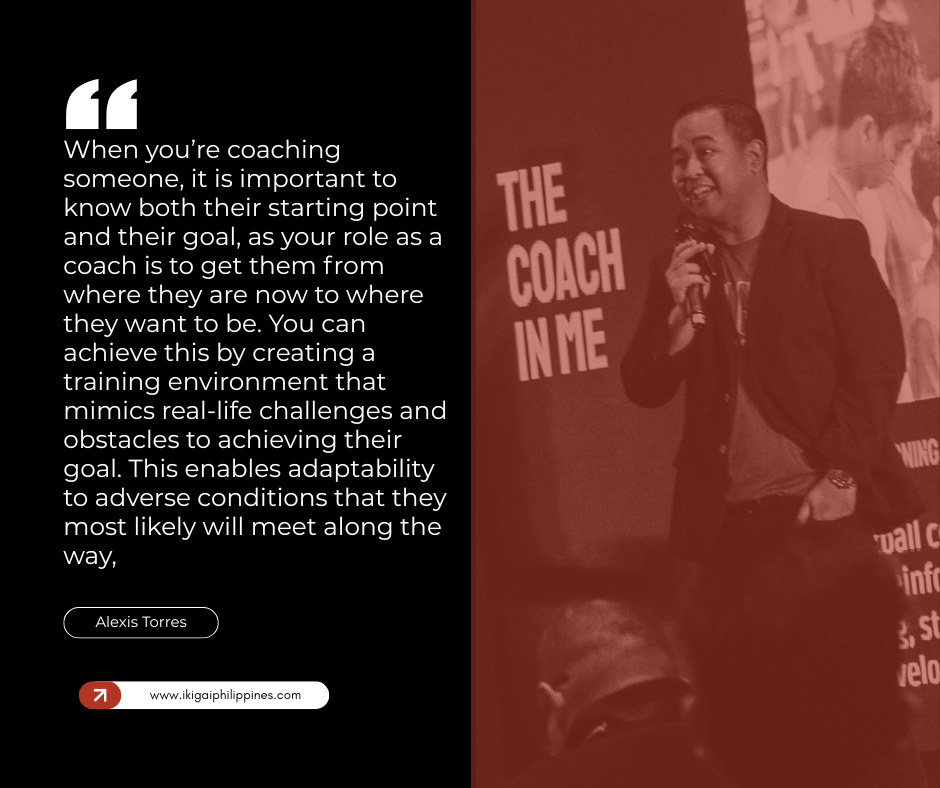
“When you’re coaching someone, it is important to know both their starting point and their goal, as your role as a coach is to get them from where they are now to where they want to be. You can achieve this by creating a training environment that mimics real-life challenges and obstacles to achieving their goal. This enables adaptability to adverse conditions that they most likely will meet along the way,” Coach Alexis related.
If you want to experience this type of coaching or if you want to collaborate with us for coaching and training projects, contact us for an exploratory meeting. We would love to partner with you.
 Ikigai Philippines
Leave a comment